CITES Rescue Centre
23 de October de 2026
CITES (Convention on International Trade in Endangered Species of Wild Fauna and Flora) protects more than 6,600 animal species worldwide to prevent international trade from threatening their survival.
However, there are still many animal species that fall victim to illegal wildlife trafficking—including trade, smuggling, poaching, and the illegal sale of wild animals and their byproducts—in violation of national and international laws.
Some of the animals that fall into these illegal networks or are already in the hands of people who keep them as exotic pets are rescued by private or government organizations, through SEPRONA (the Civil Guard’s Nature Protection Service) or other state law enforcement agencies.
In Spain, there is no single “governmental association” responsible for the rescue of CITES-protected wildlife on its own. Instead, the government operates through a coordinated ministerial and institutional framework involving a network of authorized rescue centers (including public institutions, foundations, and collaborating NGOs).
Jungle Park is one such center, recognized and authorized by the Ministry for Ecological Transition and the Demographic Challenge (MITECO) to collect and house CITES-protected wildlife.
Far from limiting itself to collaborating with local and national authorities, Jungle Park has also been working with international organizations for several years to provide shelter and care for confiscated protected exotic species.
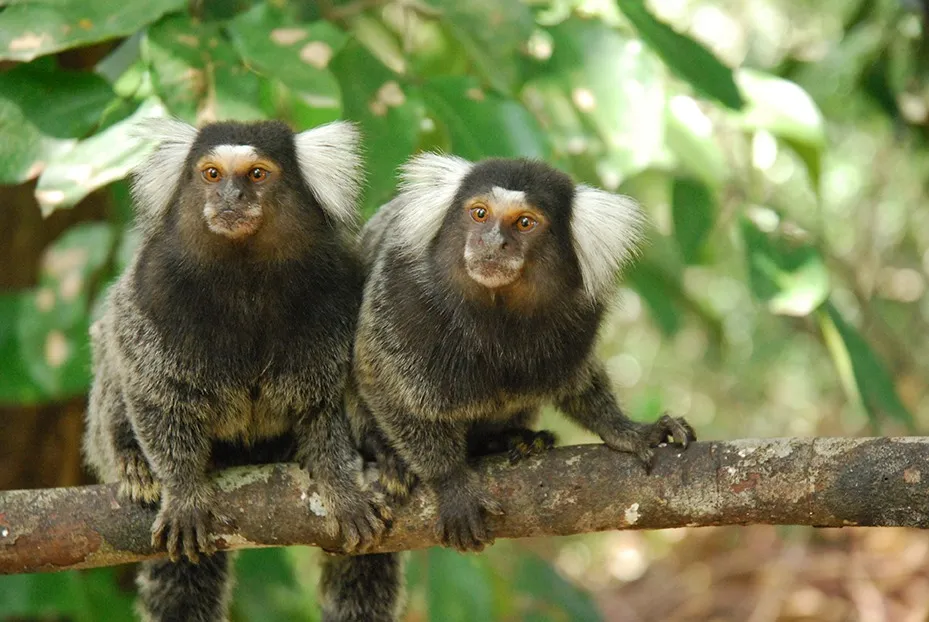
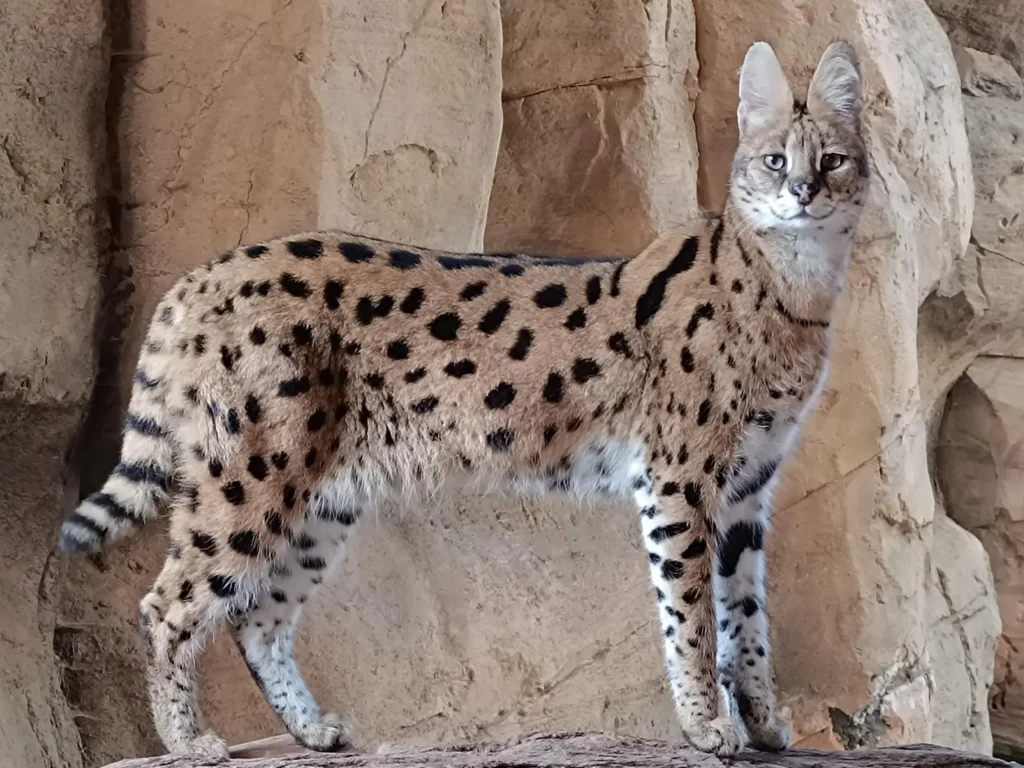
A pair of servals (“Leptailurus serval”) and this pair of common marmosets (“Callithrix jacchus”) are examples of animals that were seized in the Netherlands and sent to Jungle Park so they could receive proper care in the best possible environment.
We continue to work to ensure animal “welfare” both inside and outside Jungle Park.